Are Wet and Dry Vacuums Worth the Money? (UK Guide)
Are Wet and Dry Vacuums Worth the Money? (UK Guide)
If you have ever looked at a wet and dry vacuum and wondered whether it is genuinely useful or just another expensive gadget, you are not alone. For many UK households, the promise sounds almost too good: vacuum and wash hard floors at the same time, with less mess than a traditional mop and bucket. But when prices can run into the hundreds of pounds, it is fair to ask: are wet and dry vacuums worth it in the UK?
The short answer is yes, for many homes they are. If you have sealed hard floors, pets, children, frequent spills or simply want to cut cleaning time, a quality wet and dry vacuum can offer real value. The key is understanding where the money goes, what benefits you actually get, and whether your home layout and routine suit this type of machine.
In this guide, we will look at time savings, hygiene, price, long-term value and which types of British homes benefit most. We will also explain when a wet floor washer may not be necessary, so you can make a smart buying decision rather than an impulse purchase.
Key Takeaways
- Wet and dry vacuums can vacuum debris and wash sealed hard floors in one step, saving time compared with separate sweeping and mopping.
- They are often worth the money for UK homes with kitchens, utility rooms, conservatories, pets and high footfall.
- Compared with a mop and bucket, they can offer better hygiene because many models use separate clean and dirty water tanks.
- The upfront cost is higher, but the long-term value can be strong if you clean hard floors several times a week.
- They are less essential in mainly carpeted homes or very small flats with minimal hard flooring.
The End of the Traditional British Mop and Bucket?
The mop and bucket has been a staple of British cleaning cupboards for generations. It is familiar, cheap and easy to understand. But it also comes with drawbacks that many households have simply accepted for years: dirty water being spread around the floor, heavy buckets, wet footprints, long drying times and the need to sweep or vacuum before mopping.
This is exactly where modern hard floor washers and wet and dry vacuums have changed expectations. Instead of pushing around a soggy mop head, these machines are designed to pick up dry debris, wash the floor with clean water and collect dirty water into a separate tank. In practical terms, that means less bending, less carrying and often a cleaner finish.
For people asking whether they can replace mop and bucket cleaning entirely, the answer is often yes for sealed hard floors such as tile, laminate, vinyl and treated wood. In many homes, especially open-plan kitchens and dining spaces, a wet and dry vacuum can become the main floor-cleaning tool rather than a backup appliance.
That said, traditional mops are not completely obsolete. They may still be useful for awkward corners, stairs or occasional deep cleaning in tight spaces. But for routine maintenance, especially in busy households, many people find the old mop-and-bucket method feels dated once they switch.
If you are still comparing options, our guide to the best wet and dry cordless vacuums in the UK explains what to look for in terms of battery life, tank size and floor performance.
Time Savings: Vacuuming and Washing in One Single Step
One of the biggest reasons people buy a wet and dry vacuum is speed. Traditional floor cleaning is usually a two-step process: first vacuum or sweep, then mop. A wet and dry vacuum combines those jobs, which can make a noticeable difference if you clean little and often.
Why this matters in real life
In a typical UK household, hard floors take a lot of punishment. Muddy shoes in the hallway, cooking splashes in the kitchen, crumbs under the dining table, pet hair in the utility room and condensation-related dirt in conservatories all add up quickly. When cleaning feels like a chore with too many stages, it is more likely to be put off.
By combining debris pickup and washing, wet and dry vacuums reduce friction in your routine. Instead of setting aside time for a full clean, you can tackle a spill or refresh a floor in minutes. For working families and pet owners, that convenience is often what makes the purchase worthwhile.
There is also a practical benefit to doing both jobs together: debris is removed before it can be dragged around by a mop. That can help reduce streaking and leave the floor looking cleaner after a single pass.
How much time can you save?
The exact time saving depends on the size of your home, but in many kitchens and open-plan living areas, doing one combined clean rather than two separate ones can cut routine floor care significantly. The real advantage is not just fewer minutes spent cleaning, but less effort and interruption.
If you want a machine specifically for sealed hard floors and busy homes, it is worth comparing current models in our UK cordless wet and dry vacuum guide.
Cost Analysis: Upfront Price vs Long-Term Value in £
When people search for a wet dry vacuum price comparison UK, they are usually trying to answer a sensible question: can this appliance justify its price?
At the budget end, basic corded wet and dry vacuums aimed at workshops or garages can be found for under £100. But these are not the same as modern cordless hard floor washers designed for everyday indoor use. Premium household wet and dry vacuums from well-known brands typically sit in the £250 to £600 range, depending on features such as smart sensors, self-cleaning systems, battery runtime and edge-cleaning design.
What are you paying for?
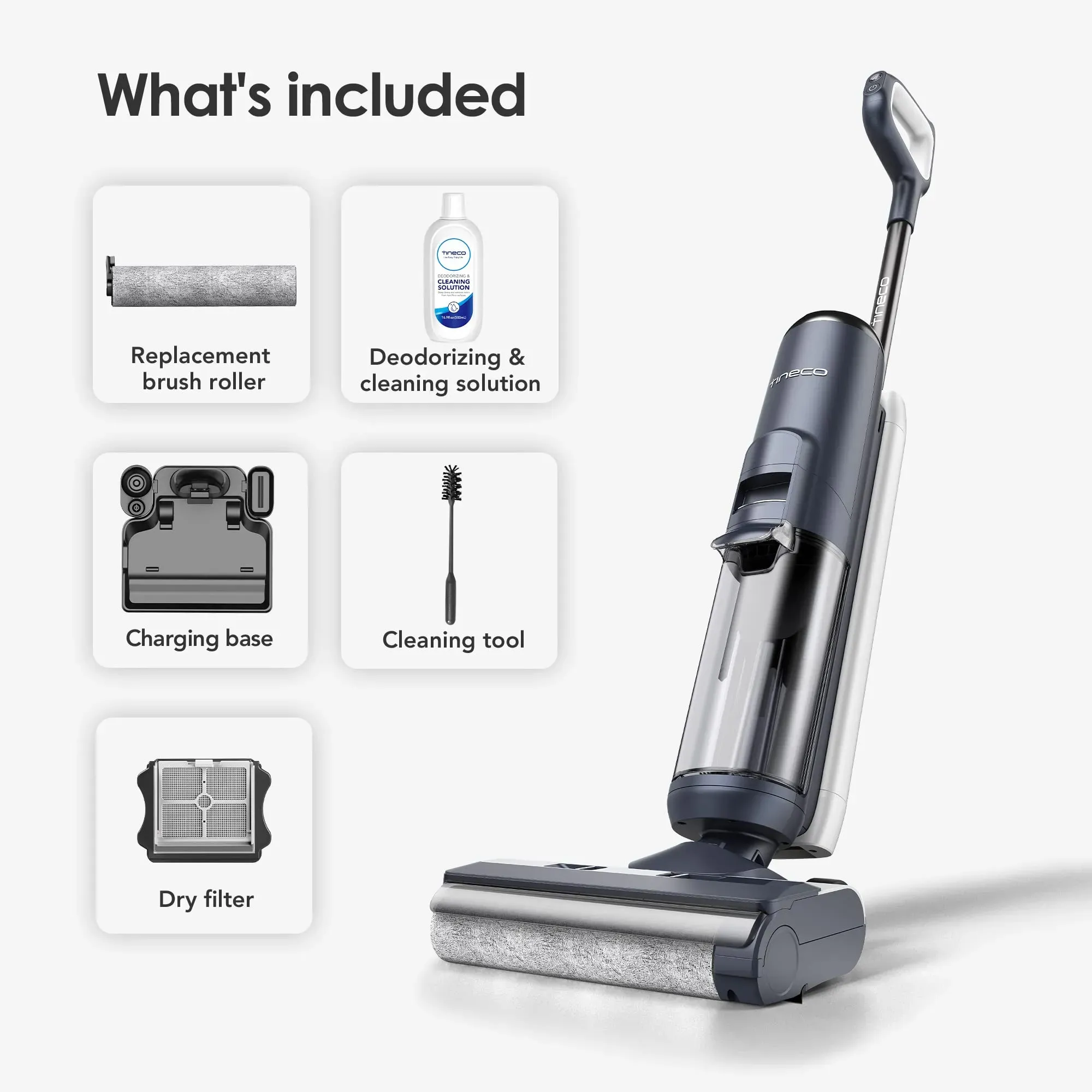
- Dual-tank technology to keep clean and dirty water separate
- Motorised brush rollers designed for simultaneous washing and pickup
- Cordless convenience and rechargeable batteries
- Self-cleaning or maintenance features
- Smart controls, voice prompts and dirt detection on some models
- Improved manoeuvrability for everyday domestic use
How to think about value
Value is not only about the purchase price. It is about how often you will use it and what it replaces. If you currently vacuum and mop hard floors three or four times a week, a machine that simplifies both tasks may earn its keep quickly in convenience alone.
There can also be modest ongoing savings in disposable wipes, separate cleaning products and replacement mop heads, depending on your previous routine. More importantly, a machine that makes cleaning easier is more likely to be used regularly, helping floors stay in better condition.
For shoppers weighing models within the Tineco range, our comparison of Tineco Floor One S5 vs S3 can help you decide which option best matches your budget and home size.
A simple UK value test
Ask yourself these questions:
- Do you have more than one hard-floored room that needs regular cleaning?
- Do you clean up after pets, children or frequent cooking spills?
- Do you dislike mopping enough that you postpone it?
- Would a faster, cleaner process mean you wash floors more often?
If the answer to most of these is yes, a wet and dry vacuum is likely to offer good value rather than becoming a cupboard ornament.
Hygiene Benefits: Always Washing with Clean Water
One of the strongest arguments in favour of wet and dry vacuums is hygiene. Traditional mopping often means dipping the same mop head into increasingly dirty water and then spreading that water across the floor. Even with regular bucket changes, it is not the cleanest system.
Modern wet and dry vacuums work differently. They typically feed clean water onto the roller while simultaneously collecting dirty liquid into a separate tank. This design helps ensure the floor is being washed with cleaner water throughout the session.
Why this matters for family homes
In homes with babies, toddlers, pets or allergy concerns, floor hygiene matters. The NHS notes that good household hygiene can help reduce the spread of germs and keep living environments healthier, particularly in kitchens and bathrooms where contamination risks are higher. While a wet and dry vacuum is not a substitute for disinfecting when needed, it can support a more hygienic routine by removing dirt and spills efficiently.
There is also a practical cleanliness point: dirty water tanks make visible what has actually come off your floor. Many first-time users are surprised at how much hidden grime is collected even after they thought the floor looked clean.
Are hard floor washers good for pet owners?
Yes, especially on sealed hard flooring. Pet hair, muddy paw prints, food splashes and everyday dust can all be handled more effectively when pickup and washing happen together. This is one reason people asking are hard floor washers good often end up deciding they are, particularly in multi-pet homes.
If pet hair is a major concern, you may also find our article on the best vacuum for dog hair on UK hard floors useful.
For maintenance, hygiene also depends on caring for the machine properly. Dirty rollers and tanks can create odours if neglected, which is why regular cleaning matters. You can learn more in our guide on how to clean and maintain your Tineco vacuum.
Ideal UK Home Layouts for Wet/Dry Vacuums
Not every home will benefit equally. The best results tend to come in properties where hard floors form a meaningful part of daily life.
Kitchens and kitchen-diners
This is the most obvious match. British kitchens often see a constant cycle of crumbs, tea splashes, cooking oil, dropped cereal and muddy footprints from the garden. A wet and dry vacuum is ideal for quick daily refreshes without dragging out multiple tools.
Open-plan living spaces
In newer UK homes and renovated terraces, open-plan kitchen and dining areas are increasingly common. These larger continuous floor spaces are where one-step cleaning makes the biggest impact. Instead of vacuuming one half and mopping the other, you can move through the whole area in a single routine.
Hallways and utility rooms
These are often the hardest-working floors in the home. Wet shoes, school bags, pet leads and laundry traffic all create regular mess. Because dirt appears quickly, an appliance that encourages frequent use is especially helpful here.
Conservatories
Conservatories are a particularly British use case. They attract garden debris, dust, paw prints and condensation-related grime, especially in wetter months. Tiled and vinyl conservatory floors can benefit greatly from a quick wet-and-dry pass.
Flats and smaller homes
Smaller properties can still benefit, but the value calculation changes. If you only have one compact kitchen with minimal hard flooring, the convenience may be nice rather than necessary. Storage space also matters in many UK flats, so machine size should be part of the decision.
When they may not be worth it
- Homes that are mostly carpeted
- Very small spaces with little sealed hard flooring
- Households that only mop occasionally and are happy with their current routine
- Properties with delicate unsealed flooring unsuitable for wet cleaning
What the Data Says About Cleaning Habits
Time press one of the biggest reasons UK consumers look for more efficient appliances. According to the Office for National Statistics, unpaid household work continues to take up a substantial amount of time in everyday life across the UK. Any appliance that removes steps from a repeated chore can therefore have real practical value, not just novelty appeal.
There is also strong market evidence that people are moving towards more convenient floor-care solutions. The wider UK small domestic appliance market has seen steady demand for products that combine functions and reduce manual effort, especially in homes with hard flooring and pets.
While individual savings vary, the broader trend is clear: consumers are willing to invest in appliances that make repetitive jobs quicker, easier and more hygienic.
Final Verdict: Should You Invest in a Tineco?
For many households, yes. If your home has sealed hard floors and you regularly deal with crumbs, spills, muddy shoes or pet mess, a Tineco wet and dry vacuum can absolutely be worth the money. The strongest benefits are time savings, improved hygiene, and the fact that it makes floor cleaning easier to keep up with.
Tineco models are particularly appealing for shoppers who want a dedicated hard floor washer rather than a basic garage-style wet and dry vacuum. Features such as cordless operation, self-cleaning functions and dual-tank systems are designed for everyday domestic use, which is what most UK buyers actually need.
If you are still weighing the options, start by reading our guide to the best wet and dry cordless vacuums in the UK. It will help you compare the models most relevant to British homes.
In simple terms, wet and dry vacuums are usually worth it in the UK if they solve a recurring problem in your routine. If they save you time every week, improve floor hygiene and help you finally retire the mop and bucket, they are not an indulgence. They are a practical upgrade.
Shop Tineco Wet and Dry Vacuums
Ready to upgrade your floor-cleaning routine? Explore the latest Tineco wet and dry vacuum range and find the right model for your home, budget and floor type.
Frequently Asked Questions
Are wet and dry vacuums worth it in the UK?
Yes, especially for homes with sealed hard floors, pets, children or frequent kitchen mess. They are most worth it when they replace a two-step vacuum-and-mop routine with a faster one-step clean.
Can a wet and dry vacuum replace a mop and bucket?
In many homes, yes. For routine cleaning of sealed hard floors, a wet and dry vacuum can effectively replace mop-and-bucket cleaning. You may still want a traditional mop for occasional awkward corners or specific deep-cleaning tasks.
Are hard floor washers good for laminate and wood floors?
They can be, provided the flooring is sealed and the manufacturer allows damp cleaning. Always check your floor-care guidance first, as unsealed or sensitive wood surfaces may not be suitable for wet cleaning appliances.
How much should I spend on a wet and dry vacuum in the UK?
For a quality cordless hard floor washer designed for everyday domestic use, expect to spend roughly £250 to £600 depending on features. The right budget depends on your floor area, cleaning frequency and whether you want extras such as self-cleaning and smart sensors.
Ready to halve your cleaning time with {brand_name}?
Shop the S5 Now — £207.14